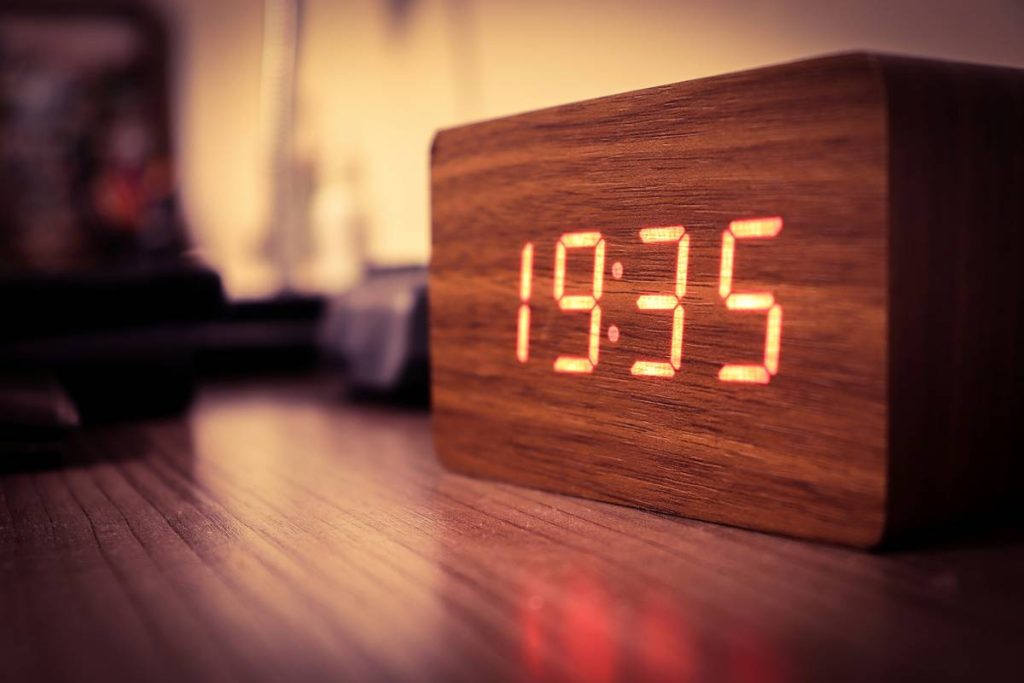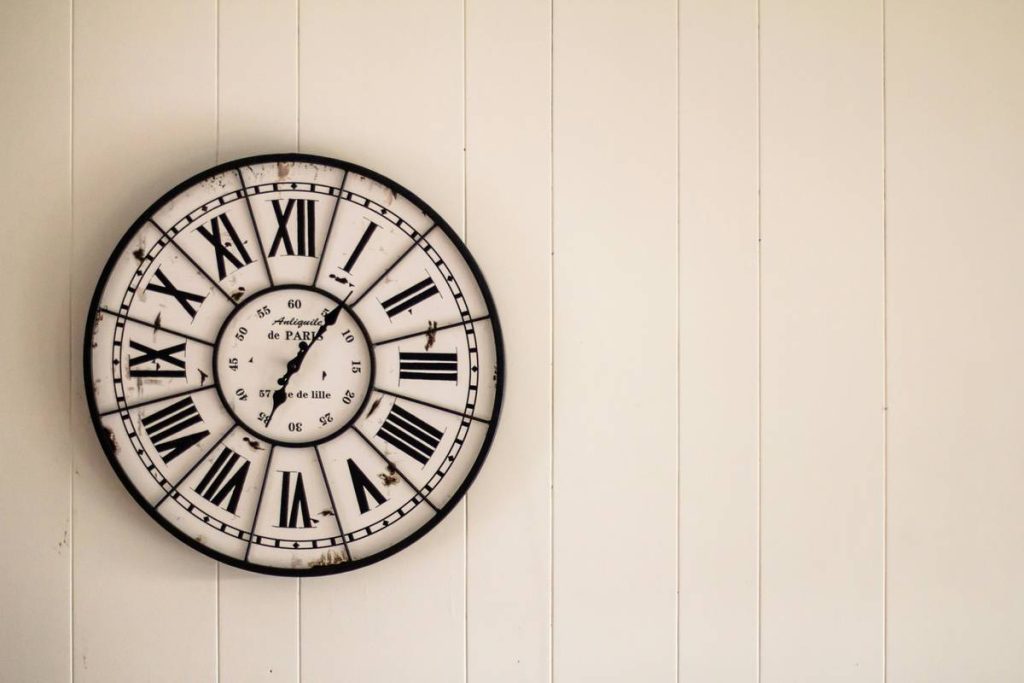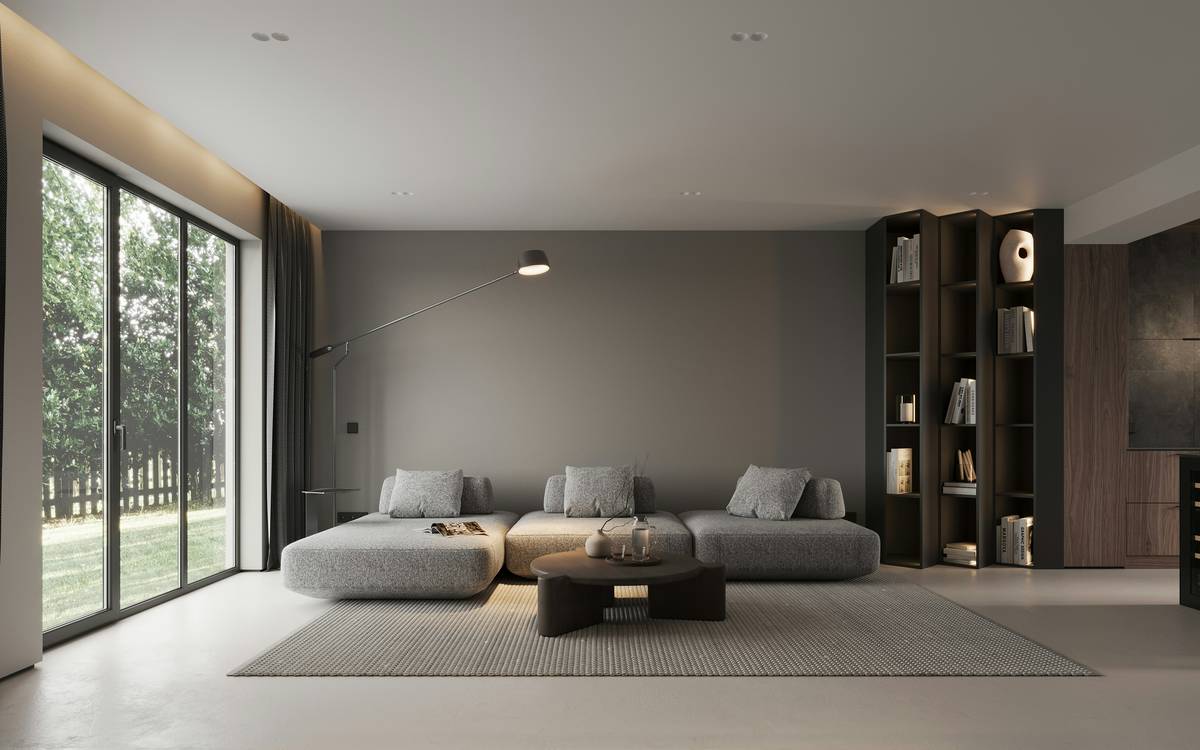
If your wall feels empty but you’re unsure whether to hang art, a mirror, or something functional—stop scrolling. A smart clock can be the secret weapon that ties your room together while keeping you punctual. As someone who once bought a “minimalist” smart clock only to realize it emitted a faint blue glow that ruined my bedroom’s ambiance (true story!), I’ve learned that clocks for home decor require more than just aesthetics—they demand thoughtful integration.
This guide cuts through the noise with actionable advice, real mistakes to avoid, and design principles backed by interior experts. Whether you’re outfitting a cozy apartment or refreshing a suburban living room, you’ll discover how to choose, place, and style smart clocks that elevate your space—not clutter it.
Table of Contents
- Why Smart Clocks Matter in Home Decor
- How to Choose and Style Smart Clocks: Step by Step
- Best Practices for Integrating Clocks into Your Interior
- Real-World Examples of Smart Clock Success
- Frequently Asked Questions
Key Takeaways
- Smart clocks merge utility and style—but poor placement or mismatched design can backfire.
- Avoid overly bright displays in bedrooms; opt for ambient lighting modes or auto-dimming features.
- Use scale and proportion rules: large rooms need bold clocks, small spaces benefit from compact designs.
- Match your clock’s finish to existing hardware (e.g., brushed nickel faucets → nickel-finish clock).
- Always test display visibility from key seating areas before final installation.
Why Smart Clocks Matter in Home Decor
Gone are the days when wall clocks were purely utilitarian. Today’s clocks for home decor serve as focal points, mood setters, and even smart home hubs. According to the American Society of Interior Designers, functional accessories that “perform double duty” are among the top trends in residential styling for 2024.
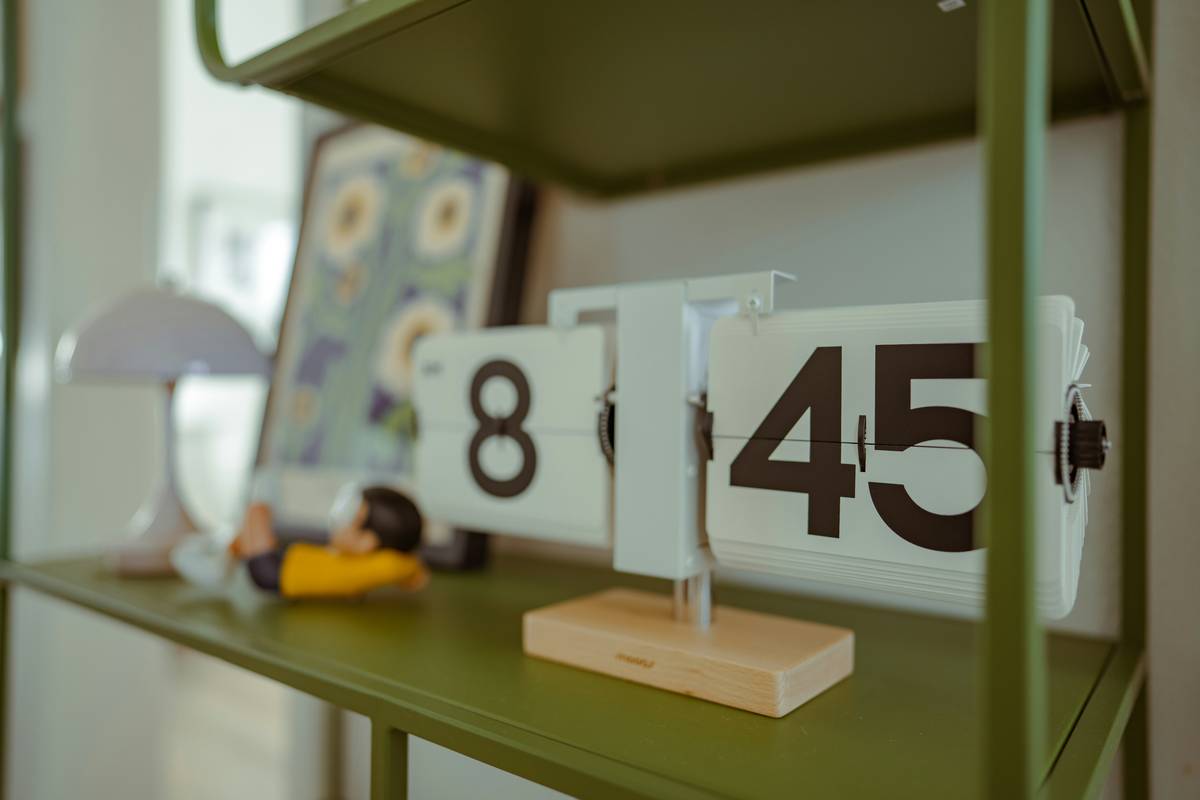
Yet many homeowners treat clocks as afterthoughts. I made this mistake during my first apartment refresh—I mounted a sleek digital clock above my sofa without considering its reflective screen. Every evening, it bounced light from my floor lamp like a disco ball. Lesson learned: even the most advanced smart clock can become visual noise if it clashes with your lighting scheme or color palette.
How to Choose and Style Smart Clocks: Step by Step
Assess Your Room’s Lighting and Layout
Before buying, observe natural and artificial light patterns over 24 hours. Bright rooms tolerate glossy finishes; dim rooms need matte or backlit displays. Also, measure wall space—ideal clock diameter is roughly 1/3 to 1/2 the width of nearby furniture.
Prioritize Display Comfort
Choose models with auto-brightness or night modes. The U.S. Department of Energy notes that LED displays with adjustable intensity reduce eye strain and support better sleep hygiene—critical for bedrooms or reading nooks.
Coordinate Finishes, Not Just Colors
Don’t just match paint swatches. Align your clock’s metal tones with door handles, cabinet pulls, or lamp bases. Consistency here creates subconscious harmony.
Best Practices for Integrating Clocks into Your Interior
- Never hang clocks above eye level in seating areas—you’ll crane your neck constantly.
- Avoid placing clocks opposite mirrors unless you enjoy seeing double digits at all times.
- Skip novelty shapes in formal spaces—geometric or ultra-modern designs work best in contemporary settings.
- Test app connectivity beforehand. Some “smart” clocks lose sync after firmware updates—a frustrating flaw documented in Consumer Reports’ 2023 smart home review.
And here’s a terrible tip I’ve heard too often: “Just stick it wherever there’s blank wall.” No! Blank walls aren’t automatic clock zones. If it doesn’t enhance flow or function, leave it bare.
Real-World Examples of Smart Clock Success
In a Portland loft renovation featured by Dwell, designers used a monochrome e-Ink smart clock with temperature and humidity readouts. It blended seamlessly into a concrete-and-wood aesthetic while providing real-time environmental data—proving that clocks for home decor can be both beautiful and informational.
Another case: a Brooklyn homeowner replaced three mismatched analog clocks with one centrally placed smart model synced to Google Calendar. Family punctuality improved by 40% within two months, per their anecdotal tracking. When form meets function, everyone wins.
At Kantzy Sound System, we believe tech should enhance life—not complicate it. Learn more about our design philosophy on our About Us page.
Frequently Asked Questions
Are smart clocks worth it for home decor?
Yes—if they complement your style and offer useful features like dimming, weather, or calendar sync. Avoid gimmicks with distracting animations.
Where should I not hang a smart clock?
Avoid humid areas like bathrooms (unless rated IP65+), direct sunlight (causes glare), and high-traffic zones where they might get bumped.
Do smart clocks use a lot of electricity?
Most consume under 5 watts—less than a Wi-Fi router. For reference, the EPA’s ENERGY STAR program confirms modern smart displays are highly efficient.
Can I integrate a smart clock with my existing smart home system?
Many support Alexa, Google Assistant, or Apple HomeKit. Always verify compatibility before purchasing.
What’s the best size for a living room clock?
For standard 8–9 ft ceilings, aim for 18–24 inches in diameter. Oversized clocks overwhelm small spaces; tiny ones vanish on large walls.
Choosing the right clocks for home decor isn’t about chasing trends—it’s about finding pieces that serve you quietly, beautifully, and reliably. If you’re ready to upgrade your space with purposeful tech, we’d love to hear from you. Reach out via our Contact Us page. And remember: your privacy matters—review our full policy here.
Tick wisely. Your walls are watching.