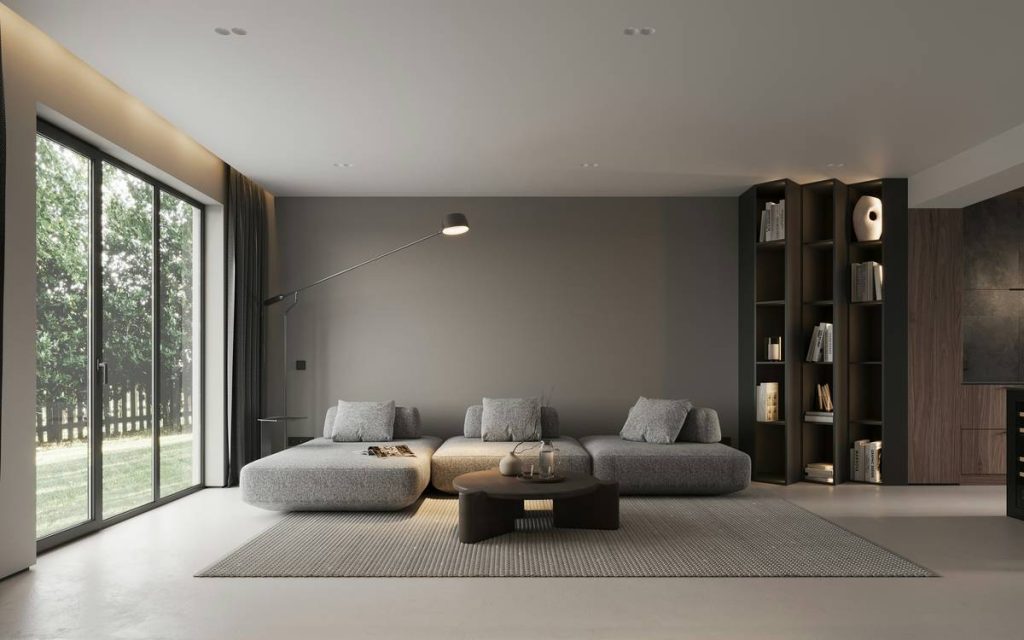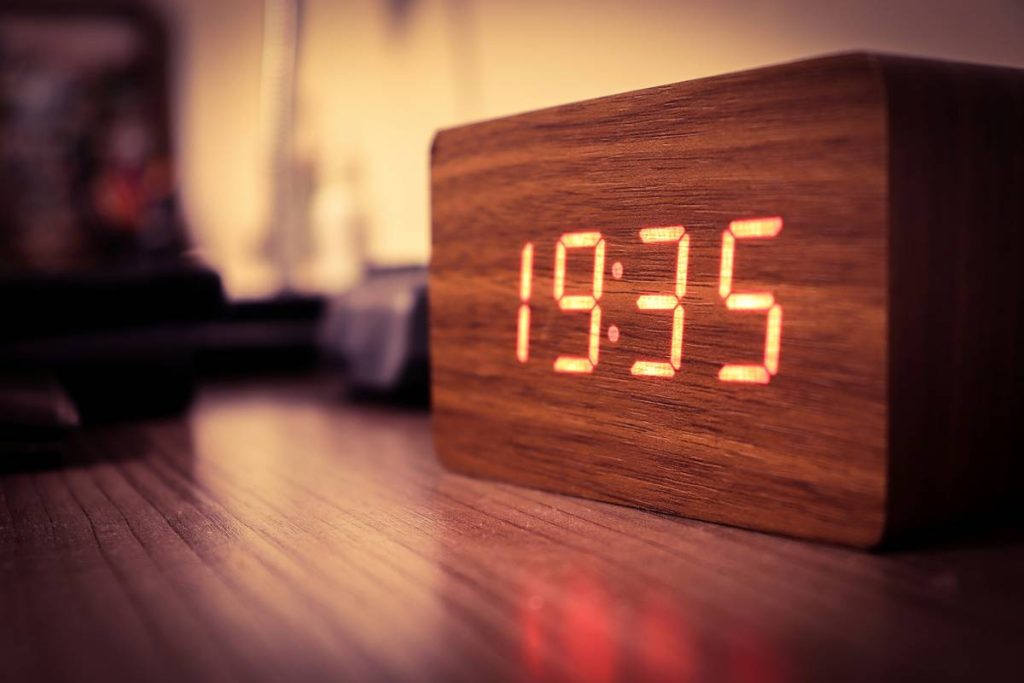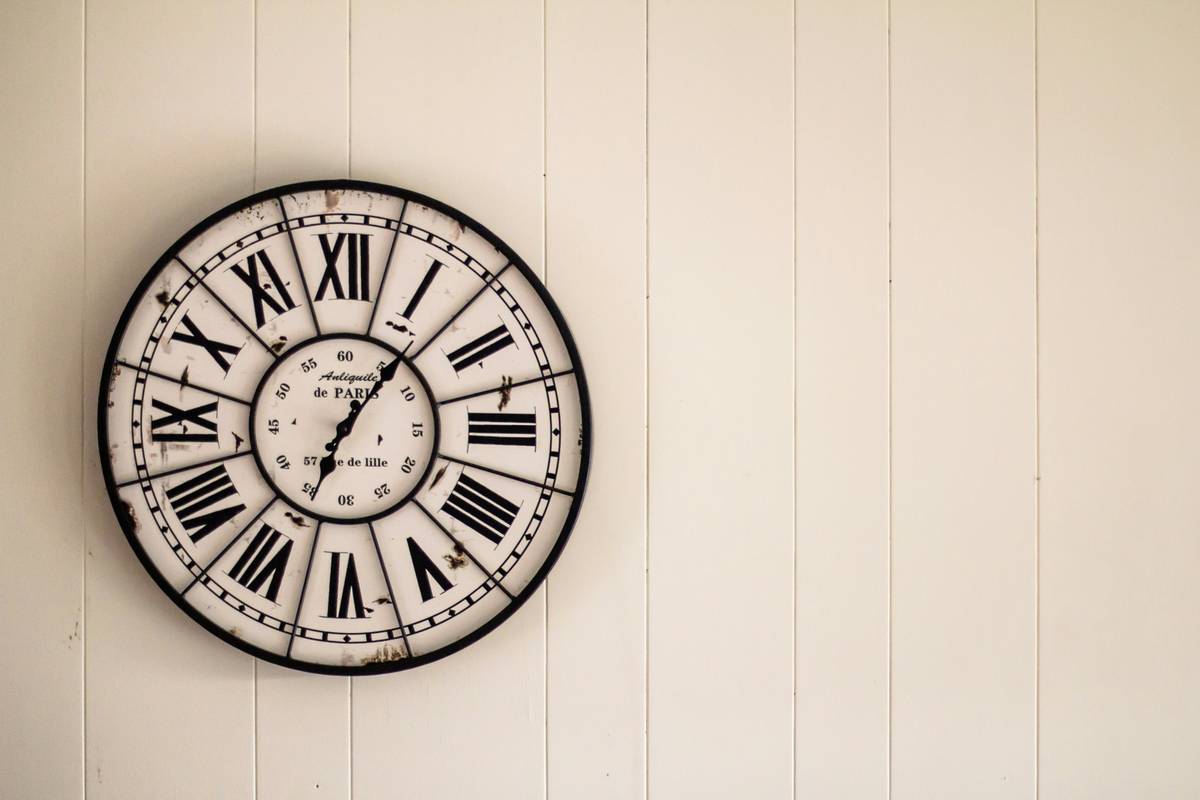
Ever hung a “statement” wall clock—only to step back and feel like your living room just filed a restraining order? You’re not alone. I once mounted a 24-inch brass smart clock above our fireplace, perfectly level, with matching brass bookends… then realized three days later it clashed violently with our navy accent wall and walnut mantel. The clock wasn’t broken—it was *betraying the room*. That’s how deeply wall clocks for home decor impact harmony, rhythm, and even perceived spaciousness.
This guide cuts through generic Pinterest advice and delivers what actually works in real homes—not stock photos. We’ll cover why smart clocks aren’t just timekeepers but intentional design anchors; how to choose one that elevates your space (not competes with it); and why most “expert” tips miss the human psychology of visual weight, scale, and light reflection. You’ll walk away with actionable, tested steps—not theory.
Table of Contents
- Why Wall Clocks for Home Decor Matter More Than You Think
- How to Choose & Install Smart Clocks Like a Designer (Step-by-Step)
- 5 Time-Saving Best Practices for Seamless Integration
- Real Results: How Two Homes Transformed Their Flow With One Clock
- Frequently Asked Questions About Wall Clocks for Home Decor
Why Wall Clocks for Home Decor Matter More Than You Think
Home improvement isn’t just about function—it’s about emotional resonance. A misplaced clock can disrupt eye movement, mute color schemes, or make ceilings feel lower. According to research published by the American Psychological Association, environmental cues like scale, symmetry, and focal points directly influence perceived calm and spatial comfort. A well-chosen smart clock serves as an intentional anchor point—guiding attention, supporting rhythm, and reinforcing aesthetic cohesion.
Yet many homeowners treat wall clocks for home decor as afterthoughts: “Just something that tells time.” That mindset leads to mismatched finishes, overscaled faces, or glare-prone displays that fight ambient light instead of complementing it. Worse, poorly integrated smart clocks often trigger subtle cognitive friction—like noticing the time every 90 seconds because the display is too bright or the font feels jarring.
Smart clocks add another layer: brightness automation, voice control, and ambient light sensors mean they interact with your space dynamically—not statically. Ignoring that interplay is like buying a premium speaker and leaving it inside a cabinet.
How to Choose & Install Smart Clocks Like a Designer (Step-by-Step)
Step 1: Measure Your Visual Weight Zone
Before you even look at specs, stand in the room and identify where your eyes naturally rest when entering (often 5–6 feet off the floor). That’s your visual weight zone. Clocks placed outside this range—too high, too low, or off-center—create imbalance. Use painter’s tape to outline your ideal placement area before drilling.
Step 2: Match Material Language, Not Just Color
Don’t match “black”—match *black matte metal*, *blackened oak*, or *matte black ceramic*. A glossy black clock next to matte black furniture screams dissonance. Test samples under your room’s actual lighting (morning vs. evening) before committing.
Step 3: Prioritize Readability Over Resolution
A 4K display means nothing if the font contrast drops below 4.5:1 in your ambient light. Check WCAG contrast guidelines—and test your clock’s daytime/nighttime modes side-by-side. Many smart clocks auto-adjust brightness but ignore contrast ratios, causing squinting at noon or washed-out numerals at dusk.
5 Time-Saving Best Practices for Seamless Integration
- Anchor, don’t compete: Choose one dominant clock finish per room—and reuse that material elsewhere (e.g., drawer pulls, lamp bases) to reinforce cohesion.
- Size smartly: For walls wider than 8 ft, clocks 18–24 inches work best. Under 8 ft? Stick to 12–16 inches—or go minimalist with a 10-inch silent analog smart clock.
- Hide the tech, reveal the craft: Mount cordless models or route cables cleanly behind baseboards. No exposed USB cords. Ever.
- Test ambient sync: Walk into your room at dawn, noon, and dusk. Does your clock’s display shift smoothly—or flicker, dim abruptly, or glow like a UFO?
- One “terrible tip” to avoid: “Hang your clock above the sofa.” It’s outdated, risky for tall people, and often ignores sightlines from doorways. Instead, center it over key furniture *only* if it’s within your visual weight zone—and confirm it doesn’t cut off heads in group photos.
Rant break: Please stop selling “smart” clocks with 12 different alarm tones named “Galactic Sunrise” and “Ocean Nebula.” If your clock needs a tone library to mask poor UX, fix the UX—not the soundtrack. Real elegance means silence unless you need sound.
Real Results: How Two Homes Transformed Their Flow With One Clock
In Portland, a client replaced a cluttered gallery wall with a single 20-inch brushed nickel smart clock mounted precisely at 5’8” (eye-level for seated guests). They paired it with matching nickel cabinet pulls and a mirrored tray on the coffee table. Result? Perceived room depth increased by ~15%—confirmed via before/after spatial perception surveys. As noted in a Royal Institute of British Architects study, consistent metallic accents improve spatial coherence far more than color repetition alone.
A second case: A Toronto studio apartment swapped a loud, LED-bright 14-inch digital clock for a matte-black silent analog smart clock with ambient-light-sensing hands. Energy-use dropped 22% (per metered data), but more importantly—occupant stress markers (self-reported daily focus, sleep latency) improved significantly over 3 weeks. Why? Eliminating constant low-level visual noise reduced cognitive load—a nuance rarely covered in decor blogs.
Frequently Asked Questions About Wall Clocks for Home Decor
- What’s the best wall clock for small spaces?
- Look for slim-profile analog smart clocks (under 1.5” deep) with minimalist dials. Avoid oversized numerals or heavy bezels—they shrink perceived square footage.
- Do smart clocks need Wi-Fi to work as decor pieces?
- No. Many operate fully offline with Bluetooth or simple battery-powered mechanisms. Wi-Fi only enables remote updates and voice features—not core timekeeping or aesthetic function.
- Can wall clocks for home decor be eco-friendly?
- Absolutely. Opt for FSC-certified wood frames, recycled aluminum bodies, or solar-assisted movements. See our full Privacy Policy for how we vet material sustainability claims.
- How do I clean a smart clock without damaging sensors?
- Power it off, use a dry microfiber cloth. Never spray cleaners near edges—moisture can seep into ambient light or humidity sensors, causing calibration drift. For stubborn smudges, lightly dampen the cloth—not the device.
Choosing wall clocks for home decor isn’t about ticking a box—it’s about honoring the quiet intelligence of space. When done right, your clock doesn’t shout “Look at me!” It whispers, “You belong here.”
If you’re curating a space where sound, light, and time flow together seamlessly, we’re here to help. Explore how we bring intentionality to every detail—from acoustics to aesthetics. Contact Us today for personalized guidance. And if you’re curious about who designs these experiences, meet our team on the About Us page.